

Prime Day 2026 Opens a Back-to-School Stock-Up Window for Kids' Socks
Key facts
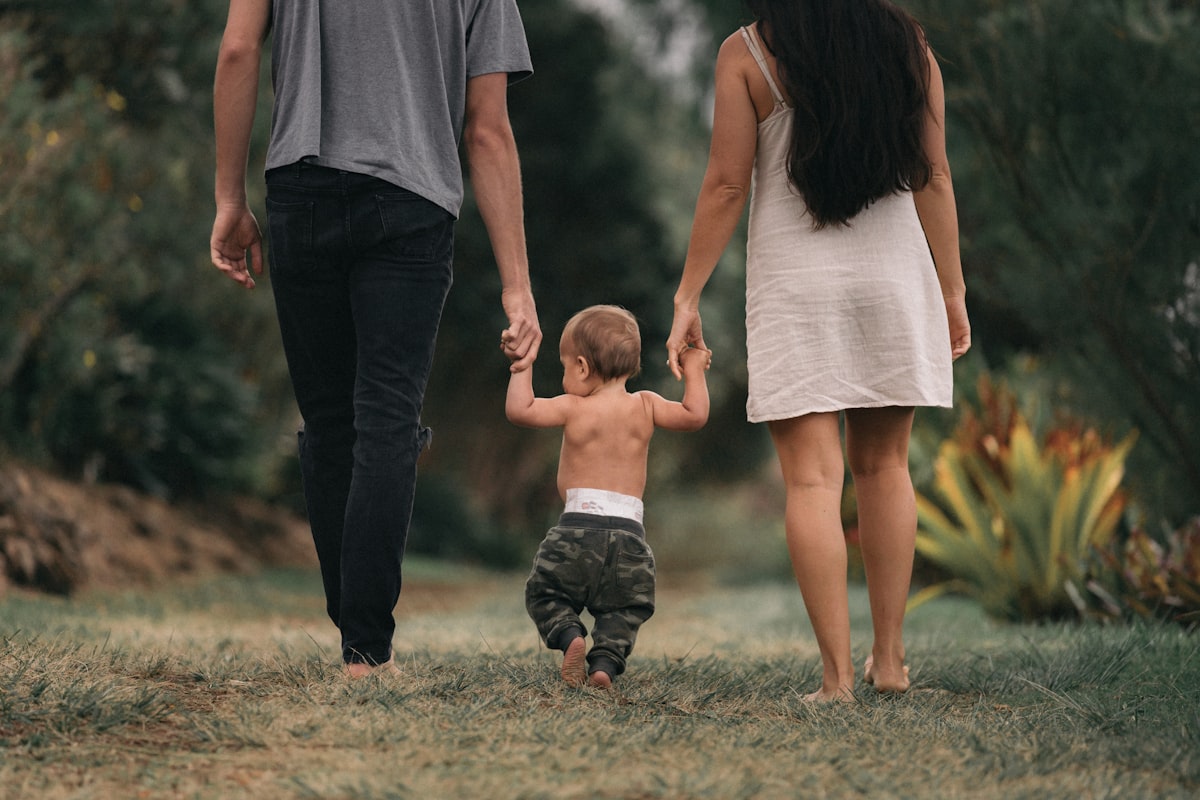
A peer-reviewed study published on , in PLOS ONE by researchers at King's College London and the University of Salford tracked 39 typically developing infants across two stages of independent walking and found that new walkers initially contact the ground with the central part of the foot, while confident walkers shift to a more posterior, heel-led pattern with a center of pressure trajectory aligned closer to the foot's longitudinal axis.
- Increasing walking experience significantly predicted higher plantar pressure in the lateral and central forefoot, indicating that the brain continuously recalibrates gait from ground-contact data with each step.
- A 2023 scoping review in Healthcare covering 19 studies found that the stiffest-soled shoes produced the lowest plantar pressures, a result the authors linked to reduced proprioceptive feedback reaching the central nervous system.
- Flexible, lightweight footwear in that same review matched barefoot plantar pressure at multiple key sites, including the hallux, first metatarsal joint, lateral heel, and medial arch.
What it means for parents
The finding from King's College London makes a practical point that can get lost in toddler shoe marketing: the foot is not a passive platform, it is an active sensory organ. Every step a toddler takes sends pressure signals through the sole to the brain, and the brain uses that data to fine-tune balance and coordination. New walkers are running a continuous calibration process, and the quality of that sensory signal matters to how quickly that process succeeds.
For parents, this means indoor barefoot time on safe surfaces is a reasonable default when toddlers are learning to walk. When foot coverings are needed, the texture and fit of socks deserve attention alongside shoe choice. Socks that bunch at the toe or sit loosely shift and crinkle underfoot, creating uneven pressure across the sole. That irregular pressure is noise in the sensory signal the foot is trying to send. A smooth, close-fitting sock with a flat toe construction preserves more of the plantar contact pattern the toddler's developing brain is working to read and interpret.
Background and context
The plantar surface of the foot is dense with mechanoreceptors, nerve endings that respond to pressure, vibration, and shear. These receptors feed the proprioceptive system, which gives the brain a continuous map of the body's position in space. In adults, this system operates largely below conscious attention. In toddlers ages one to four, it is still being built. The bony arch of the foot begins ossifying around the first year of life and continues developing into the preschool years, and the neural circuits governing postural control are maturing during this same window.
The 2023 scoping review by Wang and colleagues at Ningbo University identified five biomechanical domains in which children's footwear influences gait: spatiotemporal patterns, lower-limb kinematics, muscle activity, kinetics, and plantar pressure distribution. One consistent pattern across the 19 reviewed studies was that softer and more flexible soles preserved plantar pressure profiles closest to barefoot conditions. Proprioceptive training happens in the feedback loop between what the foot expects to detect and what it actually feels on each step. Footwear or hosiery that muffles that signal may slow the iterative sensory learning that underpins confident, coordinated independent walking.
Takeaway
Toddlers learn to walk step by step, and a significant part of that learning flows through the soles of their feet. Research from King's College London reinforces what pediatric movement scientists have long observed: give young children time on surfaces where their feet can feel the ground. When socks are part of daily indoor life, a smooth toe construction and a close, non-bunching fit help preserve the plantar sensory contact toddlers are actively learning from. SUNBVE's seamless-toe, combed-cotton construction addresses that consideration for families looking for a low-friction everyday option.
Sources
- PLOS ONE -- Analysis of centre of pressure trajectories and plantar pressure distribution to map development of foot-ground interactions from new to confident walking infants (Montagnani, Morrison, Price; King's College London and University of Salford) ·
- Healthcare (MDPI) -- Understanding the Role of Children's Footwear on Children's Feet and Gait Development: A Systematic Scoping Review (Wang, Jiang, Yu et al., Ningbo University) ·
Frequently asked questions
- Why do toddlers walk flat-footed when they first start walking?
- New walkers tend to contact the ground with the central part of the foot rather than leading with the heel. A 2025 study in PLOS ONE tracked 39 infants and found this pattern is normal and gradually shifts to a heel-led gait as walking experience accumulates and the brain learns to process plantar sensory feedback.
- Should toddlers go barefoot indoors while they are learning to walk?
- Many pediatric researchers support barefoot time on safe indoor surfaces because bare feet allow full plantar contact, which supports the proprioceptive learning that drives balance development. A 2023 scoping review published in Healthcare found that flexible, lightweight footwear closely matched barefoot plantar pressure patterns, while stiffer soles reduced that sensory feedback.
- What should parents look for in socks for toddlers who are learning to walk?
- Socks that fit closely and have smooth toe construction avoid bunching underfoot, which can create uneven pressure across the sole and distort the sensory signals the foot sends to the brain. Soft, breathable fabrics that do not constrict the toe box allow the toes to splay and grip naturally, preserving more of the tactile contact toddlers need to refine balance.

